
Table of Contents
- What affects bulk insulation batts pricing
- Insulation batts cost per m² by type and thickness
- R-value insulation batts price comparison
- Using an insulation batts calculator for your project
- Bulk insulation suppliers and how to source efficiently
- How to get the best value when buying in bulk
- Frequently Asked Questions
Last Updated: October 19, 2026
What affects bulk insulation batts pricing
The cost of bulk insulation batts comes down to several interconnected factors. Understanding these drivers helps you make informed purchasing decisions and avoid overpaying for materials.
Material type shapes price significantly. Different insulation materials, fibreglass, polyester, sheep's wool, and cellulose, carry different manufacturing costs and performance characteristics. Each affects the final price per square metre.
Thickness and R-value are equally important. Thicker batts with higher thermal resistance ratings command higher prices. A 100mm batt costs less than a 150mm or 200mm equivalent, but the relationship isn't linear; doubling thickness doesn't double cost.
Bulk quantity influences per-unit pricing. Buying 500 square metres versus 50 square metres changes your unit cost. Suppliers typically offer tiered pricing that rewards larger orders.
Supplier overhead and delivery add to the final figure. Nationwide delivery to regional areas costs more than metro distribution. Warehouse location, stock rotation, and handling all factor into what you pay.
Timing and market conditions matter too. Seasonal demand fluctuations, material availability, and supplier stock levels influence pricing. Ordering during quieter periods sometimes yields better rates than peak renovation season.
Insulation batts cost per m² by type and thickness
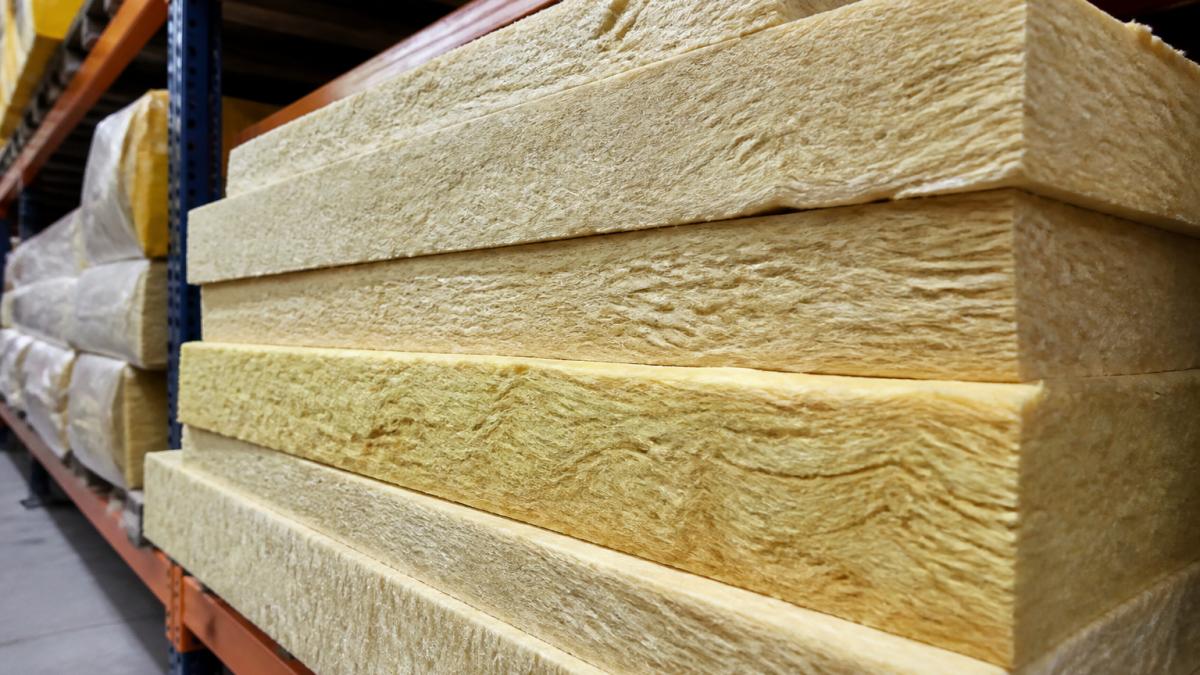
The actual bulk insulation batts price per square metre varies considerably based on the specific product you're purchasing. Different thicknesses and material compositions create a wide pricing spectrum.
Fibreglass batts remain the most common choice for Australian homes. These offer reliable thermal performance at competitive pricing. Standard thicknesses range from 75mm to 200mm, with pricing scaling upward as thickness increases. A 100mm fibreglass batt typically costs less per square metre than a 150mm equivalent, but the cost-per-R-value becomes more efficient at greater thicknesses.
Polyester batts command a premium over fibreglass. They offer better moisture resistance and durability, which justifies the higher per-metre cost. This material suits bathrooms and areas prone to condensation.
Sheep's wool insulation sits at the premium end of the pricing spectrum. Natural fibres, sustainable sourcing, and specialist manufacturing all contribute to higher bulk insulation batts prices per square metre. However, many builders and homeowners consider the longevity and environmental benefits worth the investment.
Cellulose batts offer a middle ground. Recycled paper-based insulation costs less than premium alternatives but more than basic fibreglass. Performance characteristics and fire ratings influence final pricing.
When comparing options, consider not just the initial bulk insulation batts price per square metre, but also durability, installation ease, and long-term thermal performance. Cheaper materials sometimes require more labour to install correctly, offsetting initial savings.
R-value insulation batts price comparison
R-value directly correlates with insulation thickness and thermal resistance. Higher R-values cost more per square metre because they require thicker batts or denser materials.
An R-value insulation batts price comparison reveals clear patterns. R1.5 and R2.5 batts suit ceiling applications in warmer climates. R3.5 to R5.0 batts work for most wall and ceiling installations across temperate zones. R6.0 and above serve cold climates and premium thermal performance requirements.
The relationship between R-value and cost isn't straightforward. Doubling the R-value doesn't double the price. Material efficiency improves at higher ratings, meaning the cost-per-unit-of-thermal-resistance becomes more favourable as you move up the scale.
Building codes and climate zone requirements determine minimum R-values for different applications. Your location dictates the baseline specification, which then influences bulk pricing decisions. A builder in Tasmania faces different R-value requirements than one in Queensland, creating different cost profiles.
Using an insulation batts calculator for your project
An insulation batts calculator transforms vague project scope into precise material requirements. These tools eliminate guesswork and prevent over- or under-ordering.
Start by measuring your space accurately. Calculate total square metres of ceiling, wall, or floor area requiring insulation. Include any awkward shapes, angled sections, or obstructions. Precision here directly affects bulk insulation batts price accuracy.
Input your R-value requirement. Most calculators prompt you to select your climate zone or building code region, then suggest appropriate R-values automatically. This step ensures you're pricing the correct specification.
The calculator then estimates total material needed, accounting for standard batt widths and lengths. Most Australian batts come in 1200mm or 1400mm widths, with various lengths depending on thickness. The tool factors in typical waste allowances, usually 5-10% for cutting and fitting.
Many suppliers offer online calculators that integrate directly with their inventory system. You can move from calculation to quotation in minutes, seeing real-time pricing for your exact requirements.
Print or save your calculator output. This becomes your shopping list and helps you compare quotes across suppliers. Consistency in specifications ensures you're comparing genuine apples-to-apples pricing rather than different material grades or R-values.
Bulk insulation suppliers and how to source efficiently
Sourcing bulk insulation batts efficiently requires understanding supplier strengths and matching them to your project needs.
Trade Warehouse Direct specialises in bulk building supplies for trade professionals and DIY enthusiasts. Our nationwide delivery network covers regional and metropolitan areas. Our Price Match Guarantee means you're protected against overpaying relative to competitors. Free standard shipping over $150 removes hidden costs from bulk orders.
The advantage of working with established suppliers lies in stock reliability. You need confidence that materials will arrive when promised, especially on time-sensitive projects. Trade Warehouse Direct maintains warehouses in Victoria and Western Australia.
Sourcing strategy matters more than chasing the lowest per-metre price. Consider these factors:
- Stock availability for your specific R-value and thickness combination
- Delivery timeframe and reliability to your location
- Minimum order quantities and whether they suit your project scale
- Technical support if you have installation questions
- Return policies if materials arrive damaged
Building relationships with suppliers often yields better pricing over time. Regular customers typically access volume discounts and priority allocation during high-demand periods.
How to get the best value when buying in bulk
Getting genuine value from bulk insulation batts purchases requires strategy beyond simply finding the lowest per-square-metre price.
Timing your purchase influences overall cost. Ordering during slower seasons, typically late autumn and winter, sometimes yields better rates than peak renovation season. Plan ahead rather than ordering under time pressure.
Consolidating projects amplifies volume discounts. If you manage multiple properties or work with other contractors, pooling orders increases bulk quantity and improves per-unit pricing.
Specifying correctly prevents costly mistakes. Over-specifying R-value wastes money on unnecessary material. Under-specifying compromises thermal performance and wastes money on future upgrades. Use the insulation batts calculator to nail your exact requirement.
Comparing total cost, not just price per metre. Factor in delivery charges, handling, and installation labour when evaluating true cost. Sometimes paying slightly more per square metre for better-quality material reduces installation time and labour costs.
Negotiating volume pricing works with most suppliers. If you're ordering 1000+ square metres, ask about tiered discounts. Transparent suppliers like Trade Warehouse Direct show pricing structure upfront rather than hiding discounts.
Checking quality standards protects your investment. Insulation batts should meet Australian building standards and fire ratings. Verify certifications before ordering. Inferior material costs less initially but fails prematurely, creating expensive problems.
Bulk insulation batts prices per square metre depends on material type, thickness, R-value, and supplier. Rather than hunting for the cheapest option, focus on specifications that match your climate zone and building requirements. Trade Warehouse Direct offers nationwide delivery and a Price Match Guarantee, making it straightforward to source bulk insulation batts efficiently. Get a quote today to see how our pricing compares to what you're currently paying.
Frequently Asked Questions
How much do insulation batts cost per square metre?
Bulk insulation batts pricing per square metre depends on R-value, material type (glasswool, polyester, rockwool), thickness, and order quantity. Pricing varies by supplier and changes regularly based on material costs and market demand. Contact Trade Warehouse Direct or other bulk insulation suppliers for current quotes tailored to your specific requirements and project size.
Is it cheaper to buy insulation batts in bulk?
Yes, purchasing insulation batts in bulk typically reduces the per-unit cost significantly. Larger orders attract volume discounts from bulk insulation suppliers. For renovation projects or ongoing maintenance work, buying in bulk also reduces repeat ordering costs and delivery fees. Calculate your exact requirements using an insulation batts calculator to determine the most cost-effective order quantity for your needs.
What factors affect insulation batts pricing?
Key factors include R-value rating, material composition (glasswool, polyester, or rockwool), batt thickness, width and length dimensions, fire rating, moisture resistance, and order quantity. Delivery distance and timing also influence final cost. Bulk orders from established suppliers typically offer better per-square-metre pricing than smaller purchases from retail outlets.
How do I calculate how many insulation batts I need?
Measure the total area you're insulating in square metres, then use an insulation batts calculator to account for spacing, overlap, and waste (typically 5-10%). Multiply your coverage area by the price per square metre from your chosen bulk insulation supplier to estimate total project cost. Most suppliers provide calculation tools or can help you determine quantities based on your space dimensions and desired R-value.

